
The Wellness & Movement Sciences (WAMS) Department is committed to enhancing quality of life through promoting wellness. Our mission is accomplished by educating students who are professionally and academically prepared and dedicated to addressing the wellness of a diverse society in various environments.
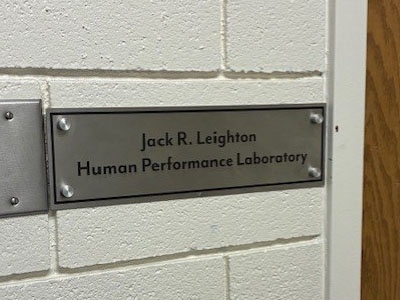
The "WAMS Lab" or, as you know it, the Jack R. Leighton Human Performance Lab, was named in honor of Eastern's Athletic Director and Chair of the the Physical Education, Health, and Recreation (PEHR) department from 1954 -1982. In 1972, Jack took his vision of a modem wellness education complex from an idea to a (then) state-of-the-art facility including classrooms, Aquatics Center, Reese Court, and an administration building for facilities management - making PEHR one of the premier programs in the region.
When Jack helped design the classroom building, he recognized the need for a laboratory space. The field of exercise science was not a discipline yet, but Jack's experience in therapy inspired his vision of how the field might evolve - including athletic training, biomechanics, motor learning, and therapeutic recreation, all of which are part of our program today.
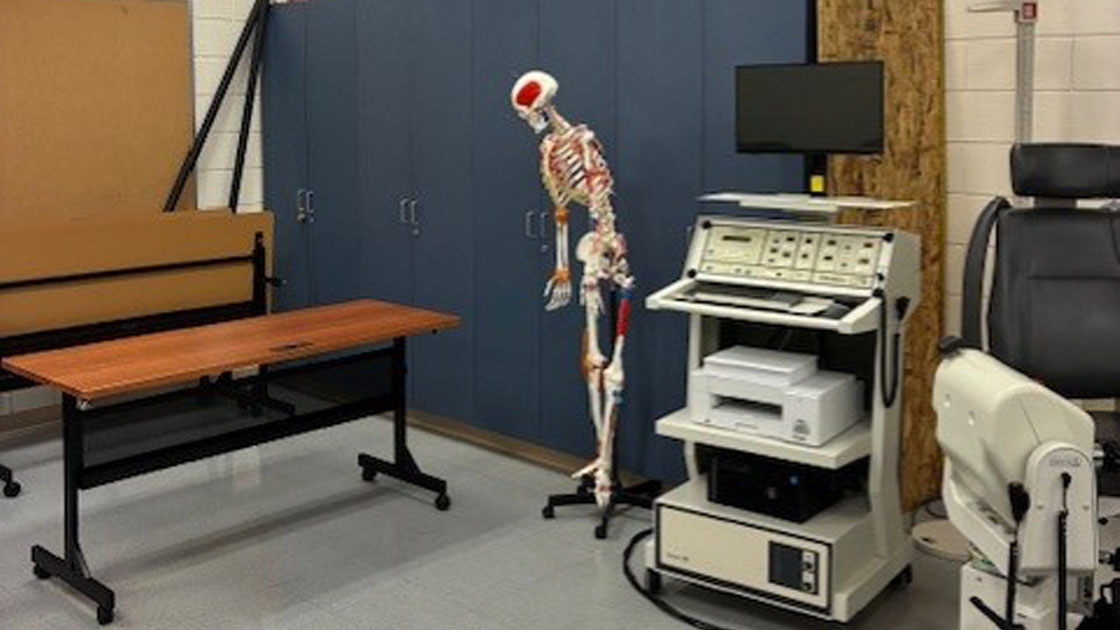
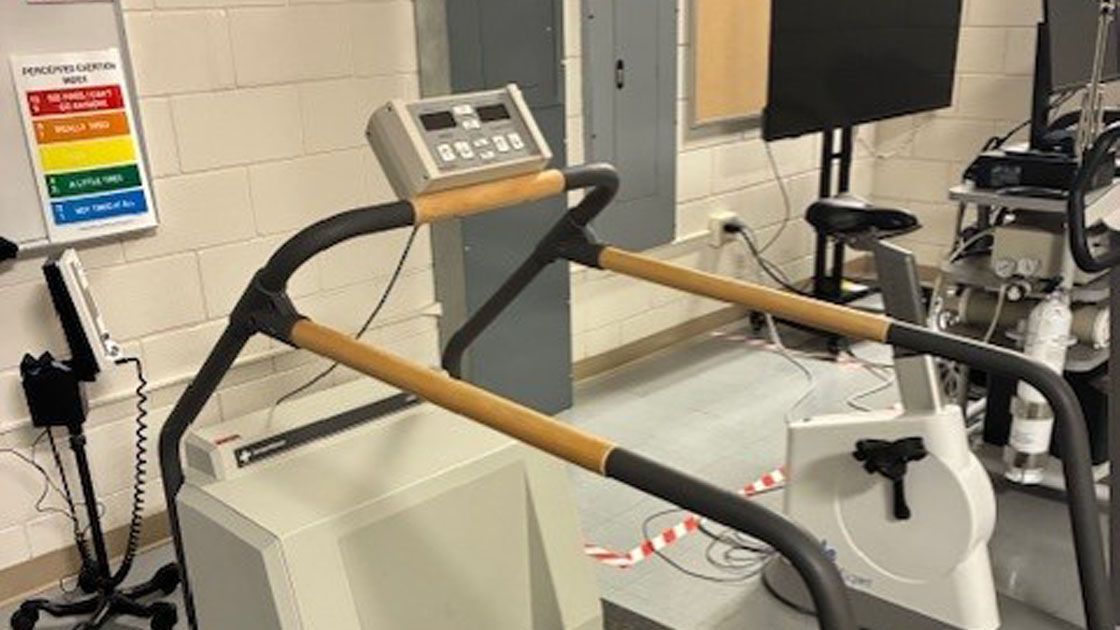
Thirty years later, in 2002, we received additional funding from the state to create the space we have today - three rooms and equipment that continues to help us prepare well-qualified professionals in the field. One of the pieces of equipment we are still using today, 24 years later, is the Leighton Flexometer, a special goniometer invented by Jack to measure joint flexibility.
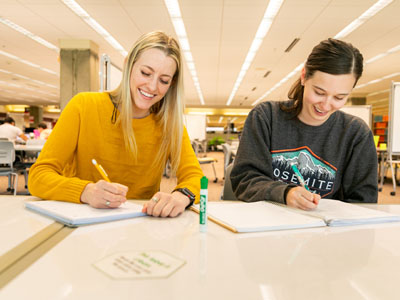
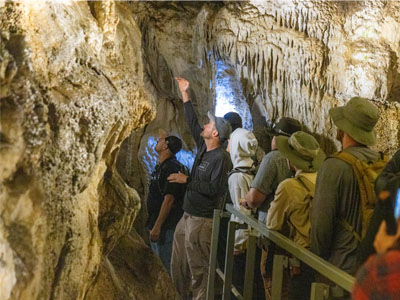
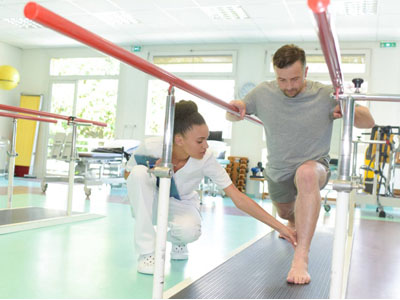
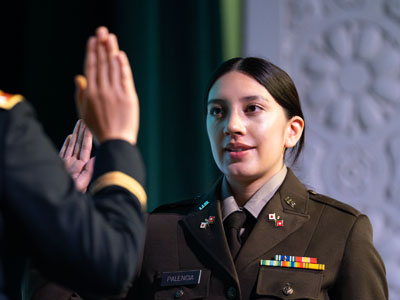
The images you see on this page do not represent our Jack R. Leighton Human Performance Lab today but rather, our ongoing vision of what could be. The original three rooms still remain. But with your help, we can transform our space into the state-of-the-art lab Jack would envision for today's students, with the space, technology, and equipment to sustain the experiential learning that continues to be the hallmark of The Region's Polytechnic!
As we enhance our interdisciplinary space, we expand our ability to support research projects that engage undergraduate and graduate students—including those in the M.S. in Exercise Science and M.S. in Athletic Training—in applied learning.